
A Punjabi department is an academic unit in a college or university focused on the study of the Punjabi language, literature, and culture, providing courses from undergraduate to Postgraduate l levels, organizing cultural events, and promoting Punjabi heritage through teaching, research, and outreach activities. This department serve as centres for learning, research, and the dynamic transformation of Punjabi culture, often with global alumni and faculty, offering programs such as M.A and certificates.
Dr. Harmandeep Kaur


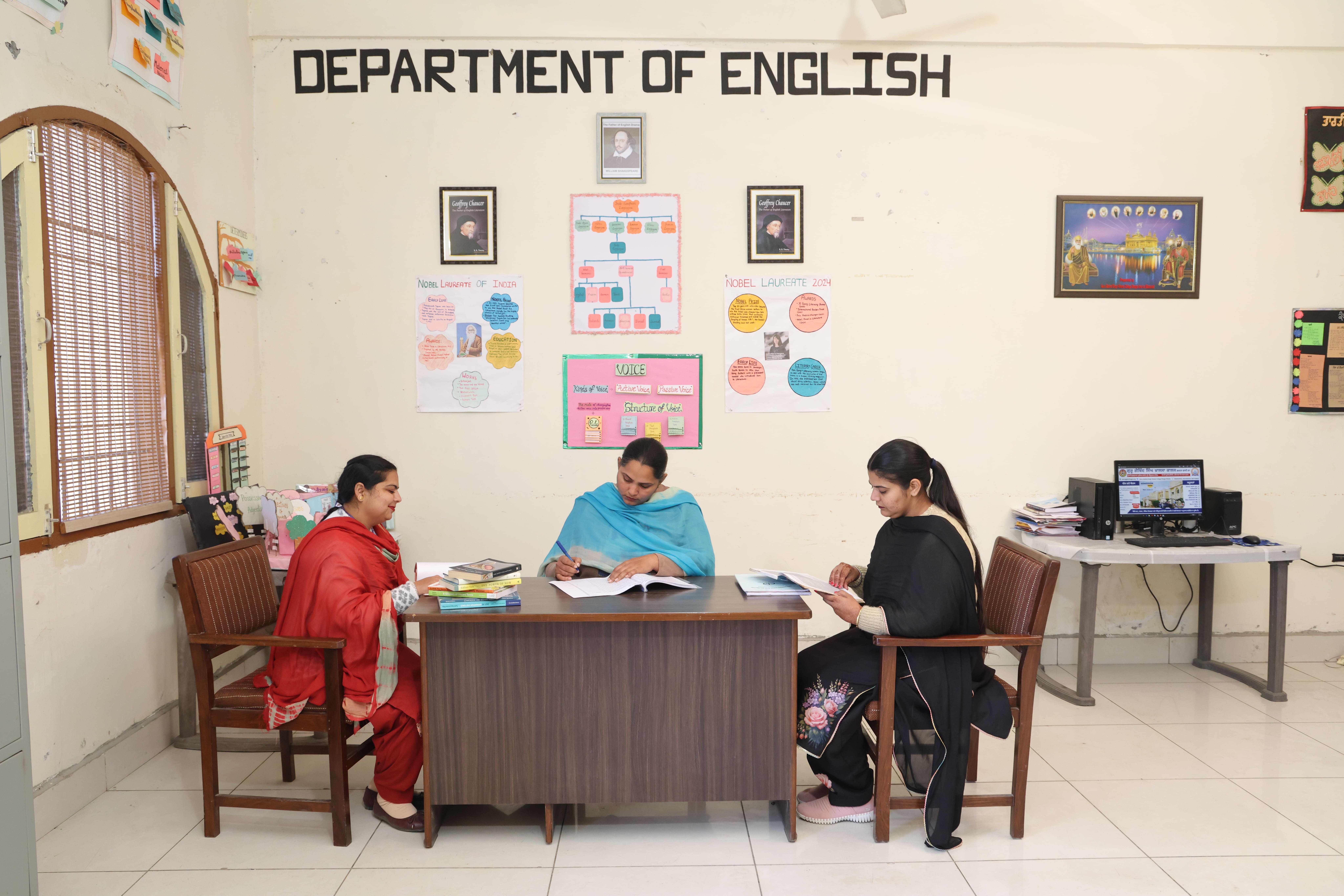
An English department focuses on the study and teaching of the English language and literature, fostering communication, critical thinking, and creative expression through a comprehensive curriculum that can include language skills, various literary genres, rhetoric, and creative writing. Departments often offer specialized courses in areas like Women's Writing, Colonial Studies, and Linguistics, while also providing skill-based courses such as public speaking and journalism. Their objectives include developing students' abilities in listening, speaking, reading, and writing, thereby equipping them for diverse careers and enabling them to engage critically with texts from different cultures and historical periods.
Prof. Jagdeep Kaur

A Social Science Department studies human behaviour, relationships, and societies through various disciplines like History, Geography, Economics, Political Science, and Sociology. It helps us understand the complexities of the world, make informed decisions, and develop critical thinking skills. By exploring human experience and social systems, these departments foster social consciousness and provide foundations for addressing real-world issues.
Dr. Ramanpreet Kaur


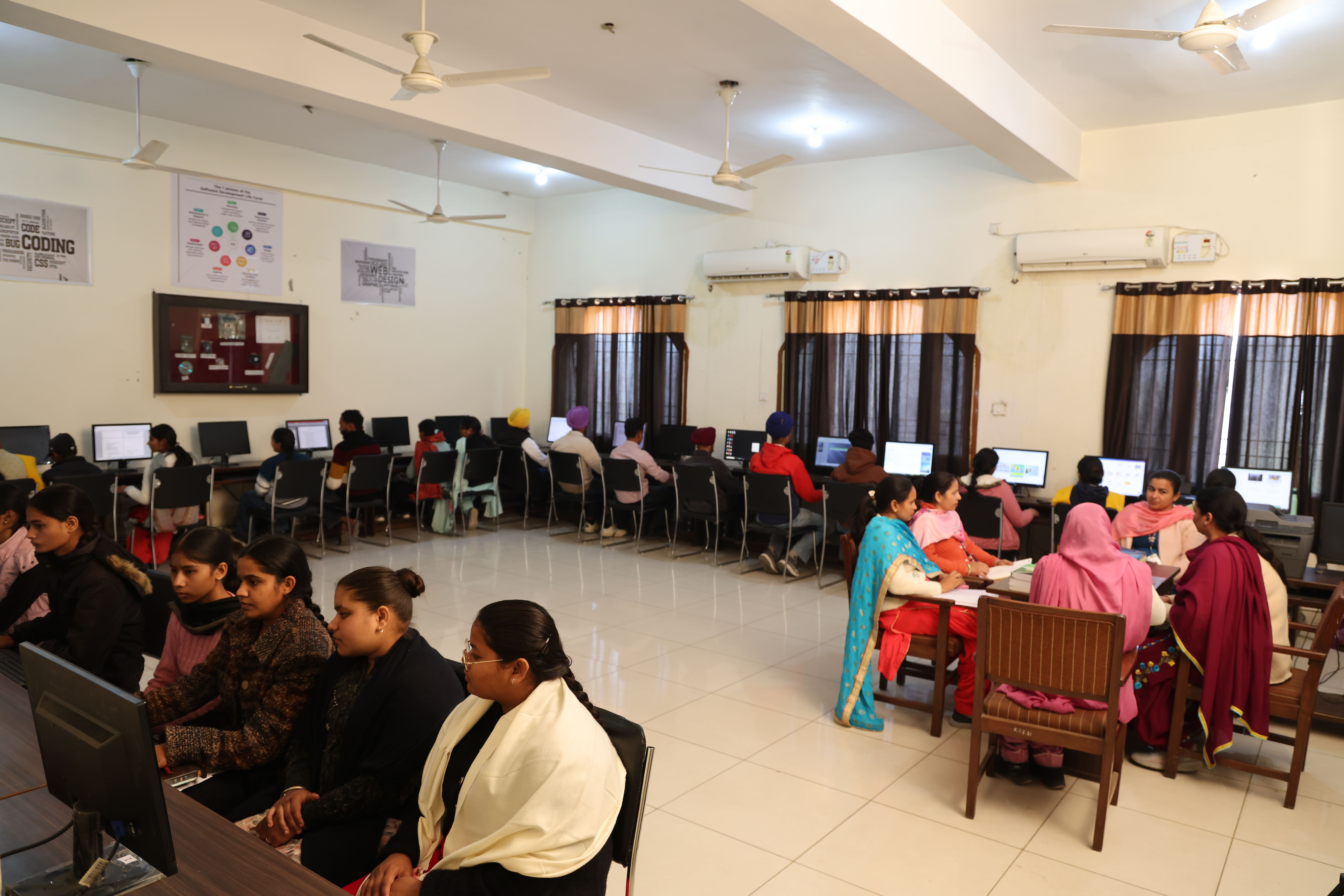
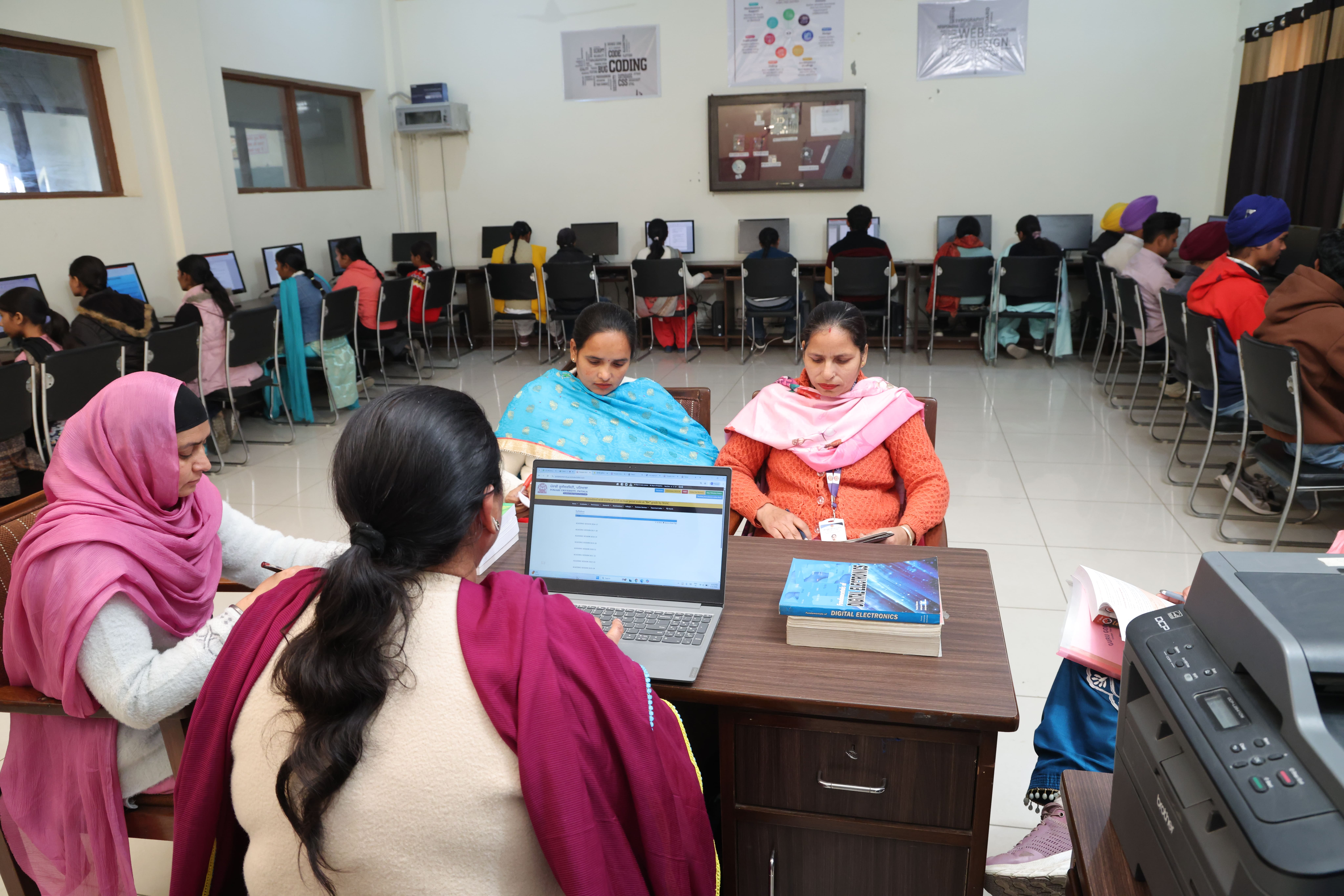
A Computer Science department is an academic unit that focuses on the study of computers, information, computation, and the design of software and hardware systems. It teaches the theoretical foundations, algorithmic processes, and practical applications of computing, preparing students for careers in various tech fields like software development, data analysis, and artificial intelligence. The field draws on math and engineering to understand how to effectively process information and solve problems.
Dr. Amandeep Kaur

A Commerce Department is a government body or business unit focused on promoting and managing domestic and international trade, economic growth, and technological advancement. In the United States, the Department of Commerce (DOC) is a federal executive division established in 1913 that administers agencies like the Bureau of the Census and NOAA, aiming to boost national prosperity through trade and innovation.
Dr. Megha Rewal

A Science department studies the natural and social world through systematic observation and experimentation, using a scientific methodology to gather evidence and build knowledge. It encompasses a vast array of subjects, with core disciplines including physics, chemistry, and biology, all aimed at solving problems and developing technologies for a better understanding and use of the world around us.
Prof. Harpinder Kaur


A Fashion Technology department merges creative design principles with digital advancements and sustainable practices to innovate apparel and the fashion industry. It teaches students technical skills in areas like wearable technology, CAD (Computer-Aided Design), and eco-friendly materials, preparing them for diverse careers in areas like fashion data analysis, AI design, and supply chain management. The focus is on combining artistic vision with cutting-edge technology to produce high-quality, innovative, and more sustainable fashion.
Prof. Jinkpreet Kaur

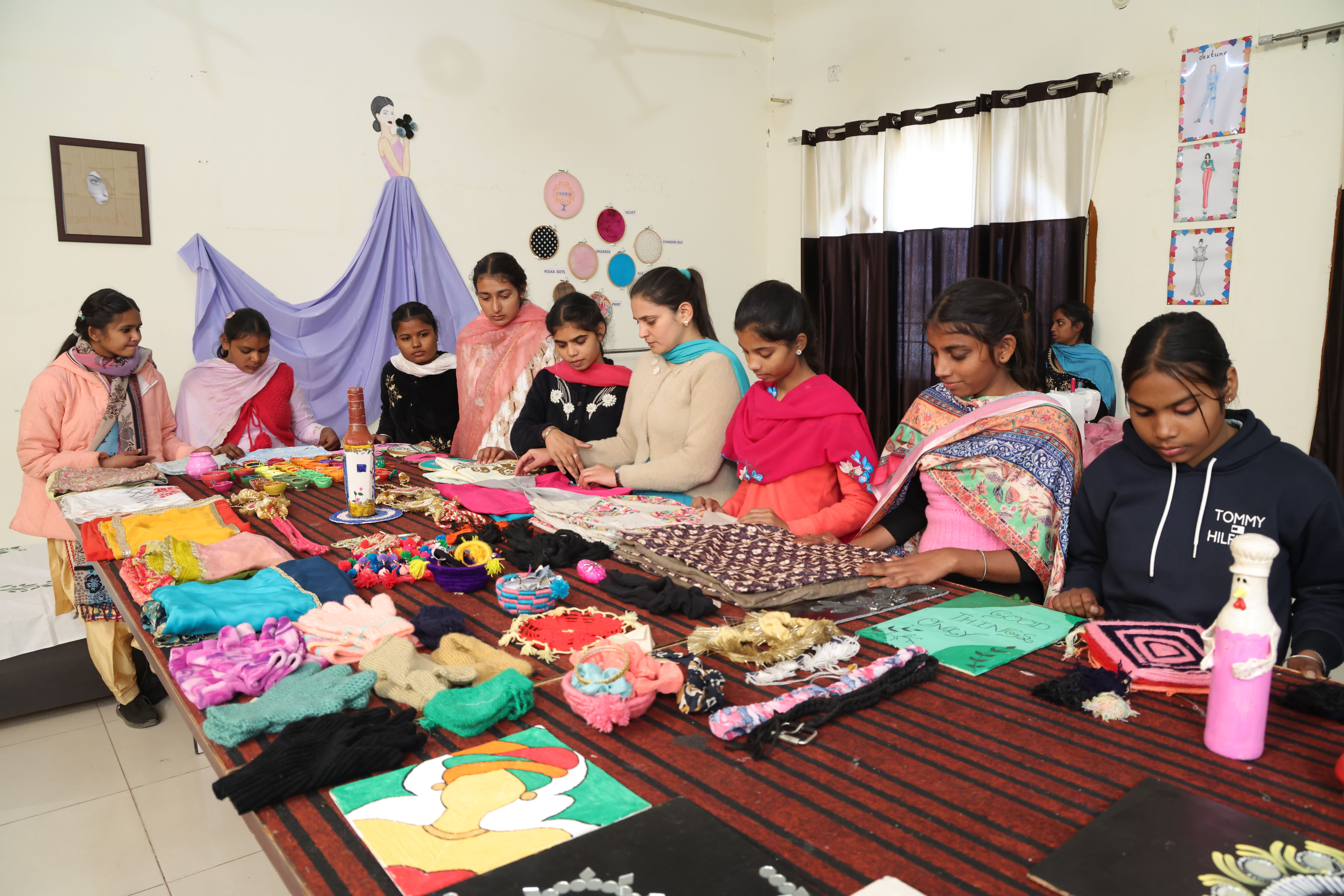
An ECA department typically refers to an Extra-Curricular Activities (ECA) department, which organizes activities outside the regular curriculum to enhance student development and engagement.
Dr. Simarjit Kaur


Physical Education (PE) is an important part of a student’s overall development. It focuses on improving physical fitness, motor skills, and overall health through various activities such as sports, exercises, and games. Physical Education helps students understand the value of maintaining an active lifestyle, which is essential for good health and mental well-being. It teaches discipline, teamwork, cooperation, and leadership—qualities that are useful not only in sports but also in daily life. Regular participation in physical activities strengthens the body, improves stamina, and enhances coordination. It also reduces stress and helps students concentrate better on their studies. Physical Education promotes healthy habits that can prevent lifestyle diseases such as obesity, diabetes, and heart problems. Moreover, it encourages fair play and respect for others, building strong character and sportsmanship. In schools, PE classes give students an opportunity to discover their interests and talents in different sports and physical activities. It also teaches the importance of setting goals and working hard to achieve them. Overall, Physical Education plays a vital role in shaping a student’s personality and ensuring a balanced development of body and mind.
Prof. Sushma Rani
